
Juneteenth with Annette Gordon-Reed.
https://www.youtube.com/watch?v=zX79VFul1AI&t=2s
About the resource
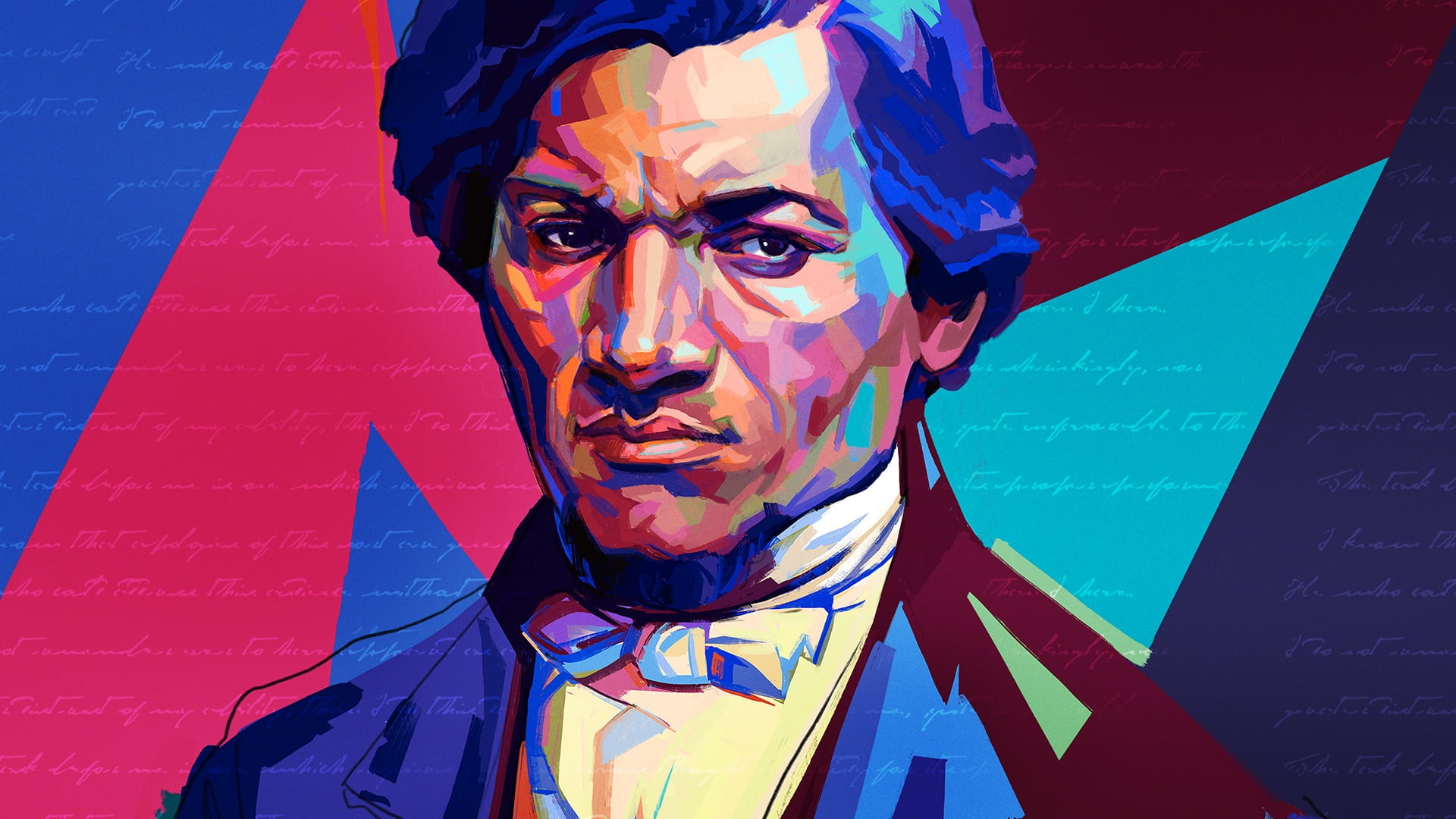
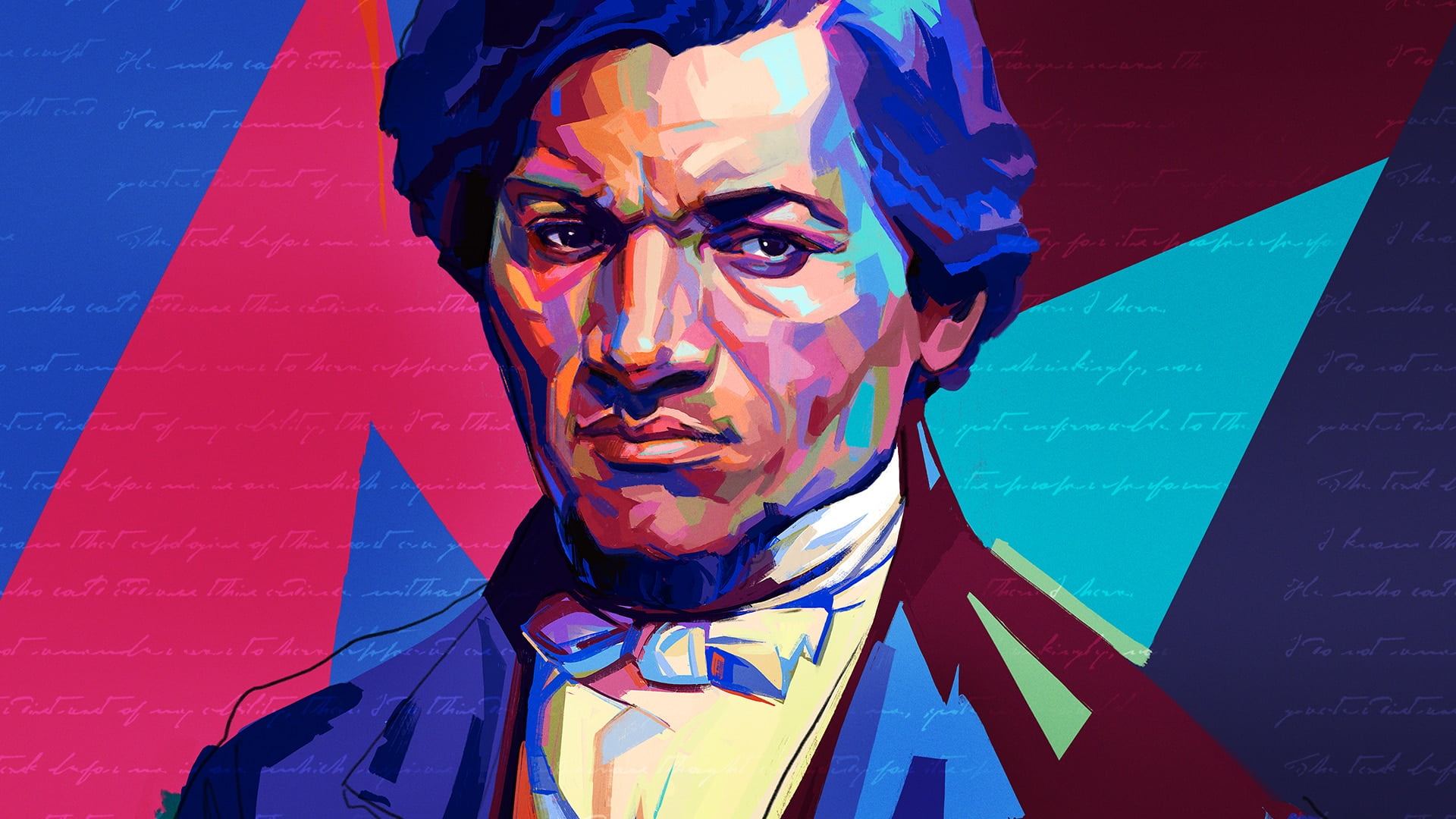
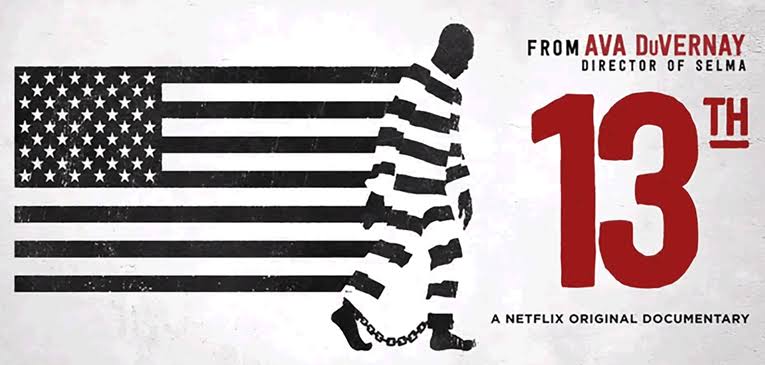
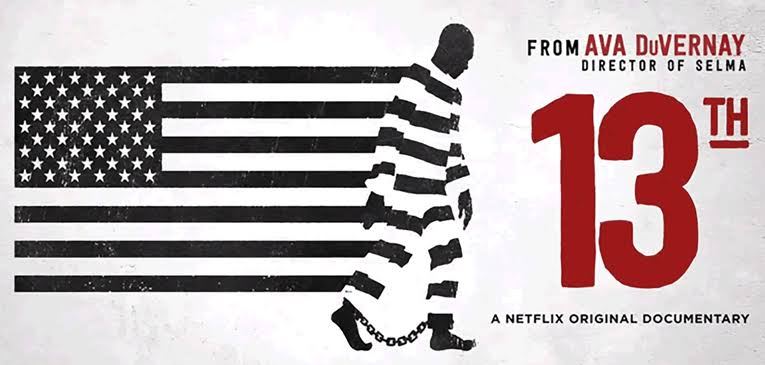
Juneteenth (short for “June Nineteenth”) commemorates the Emancipation Proclamation and the end of slavery. President Abraham Lincoln signed the Emancipation Proclamation in September 1862, freeing all enslaved persons held within the rebelling states the following January (enslaved men and women in Union states would have to wait until the ratification of the Thirteenth Amendment in 1865). Black Americans in the southeastern states immediately celebrated their freedom. But in Texas, a remote slave state where minimal fighting took place, the news of emancipation did not reach enslaved men and women until nearly two and a half years later: on June 19, 1865. New-York Historical Trustee Annette Gordon-Reed is the author of the 2021 book "On Juneteenth," named for the holiday. The book records her personal experience of Juneteenth while growing up in Texas. A Pulitzer prize-winning author, and herself a descendant of enslaved people brought to Texas as early as the 1820s, in this video she recounts the origins of Juneteenth and explores the legacies of the holiday that remain with us. According to Annette Gordon-Reed, JD, "I think Juneteenth should be an umbrella celebration for all of the emancipations. Emancipation was not just one day, not just one moment; it took place over a period of time - the enslaved people emancipated themselves, the Army emancipated a number of people as well. I think Juneteenth can be used to think about those moments of emancipation. Juneteenth didn’t end slavery in the United States - it was the end of the military effort to maintain slavery."



Members
Sign in to continue
Sign in to download this file. It's free to register, and we will bring you straight back to this page.
Or continue with email
No account? Register