
ESR
/
ES Resources Curriculum Projects
/
The 1970 National Chicano Moratorium: A Day of Rage, A Legacy of Resistance
The 1970 National Chicano Moratorium: A Day of Rage, A Legacy of Resistance.
https://esresources.org/storage/uploads/a-day-of-rage-a-legacy-of-resistance-2-2.pdf
PDF document
Open the documentAbout the resource
What's Included in the Packet?
This packet follows a full class-period arc, from warm-up to independent practice:
Warm-Up — a quick, no-background-needed entry point
Essential Questions — Identity, Power, and Civic Response
Direct Instruction — Key Vocabulary and a Background Primer for the teacher to deliver
Guided Practice: Primary Source Analysis — eight voices: eyewitnesses, organizers, an artist, a journalist, a historian, a statistical study, and an official government report
Synthesis: Connecting to Ethnic Studies Themes — Identity, History and Movement, Systems of Power, and Social Movements and Equity
Synthesis: Historical Context & Putting It Together Tables
CA Ethnic Studies Alignment
This resource is part of the Chicana/o/x and Latina/o/x Studies discipline of the CA Ethnic Studies Model Curriculum (adopted by the State Board of Education, March 2021). It extends Sample Lesson 13, “The East LA Blowouts: An Anchor to the Chicano Movement” (Chapter 4, pp. 159–163) forward in time to the 1970 Chicano Moratorium, a companion topic within the same discipline's Additional Sample Topics (pp. 164–165). Students engage all four Model Curriculum themes: Identity, History and Movement, Systems of Power, and Social Movements and Equity. Text and images are drawn from the Los Angeles Times retrospective “How an East L.A. Protest Gave Voice to the Chicano Movement” by Daniel Hernandez (Aug. 23, 2020), Rubén Salazar's own 1970 column, and a widely cited academic casualty study. Scaffolds throughout — a vocabulary preview, a plain-language background primer, and sentence starters — make the material accessible to all students, including multilingual learners and students who need extra reading support.
Essential Questions
Whose stories get remembered as history and who decides that?
What happens when a peaceful protest turns into conflict? Who is responsible?
How do everyday people, artists, and journalists respond when they witness injustice?
Author
This lesson was created by Jazmin Kent, ES Resources Ethnic Studies Educator-Mentor & Curriculum Innovation Fellow.
Additional Curricula 08
-
New
-
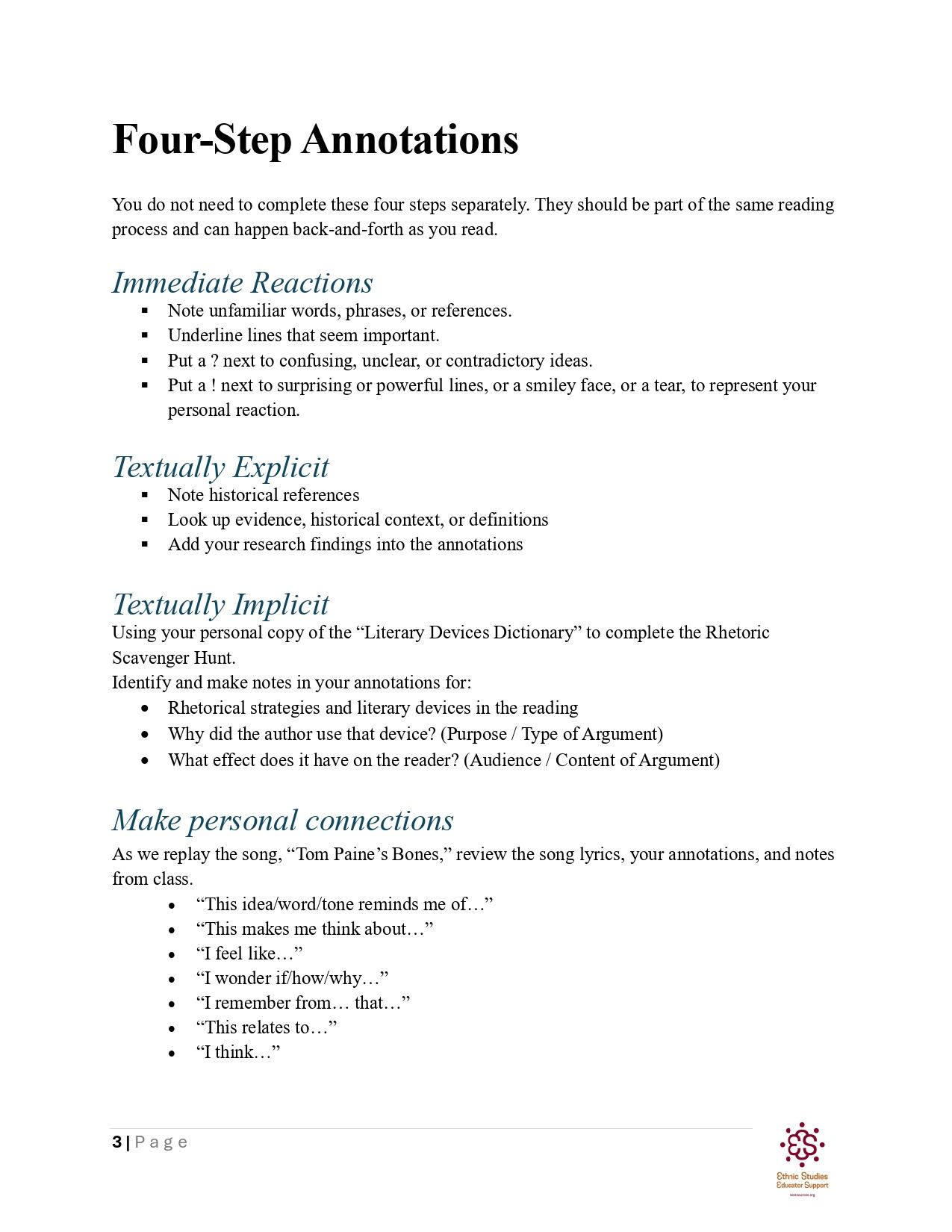
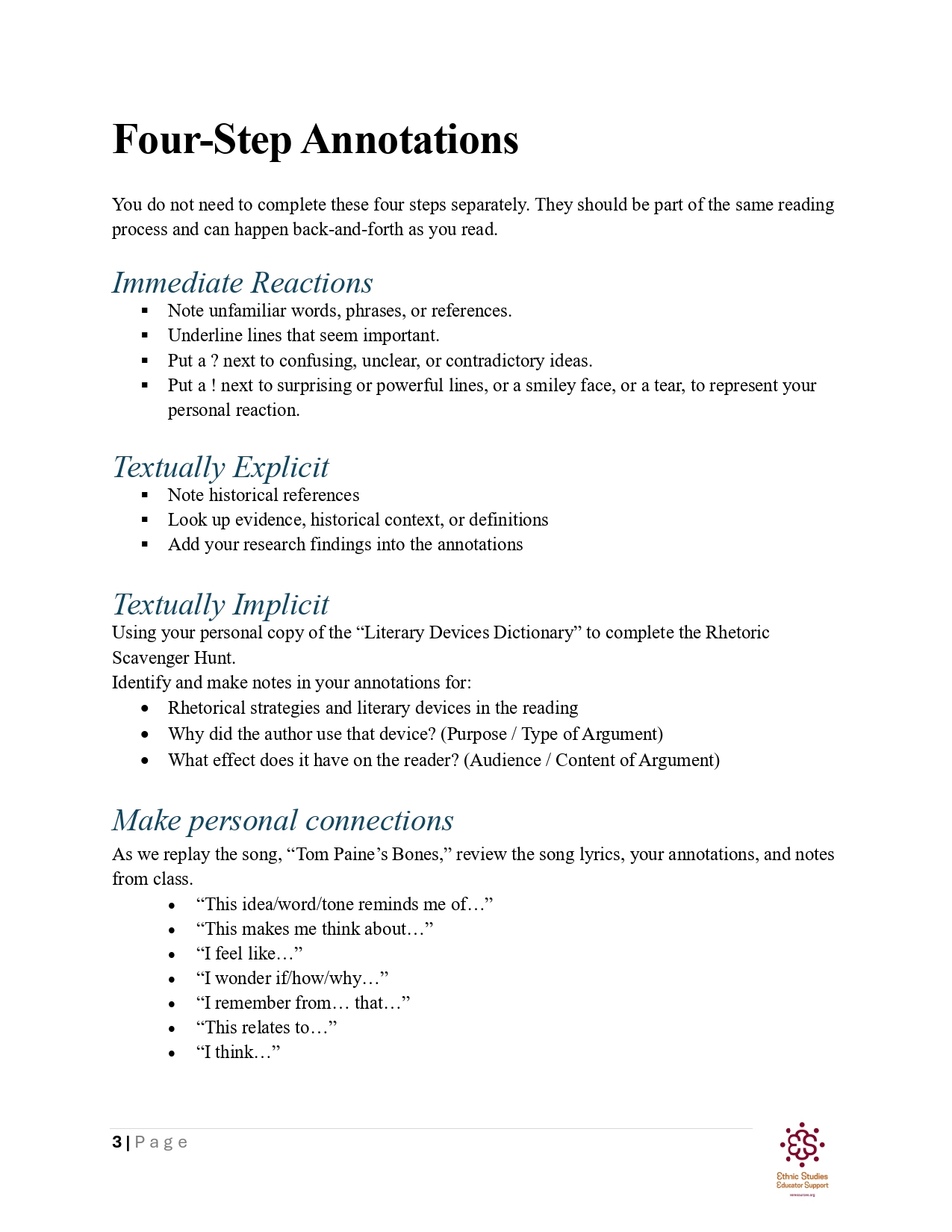
Reading Revolution Through Song
-
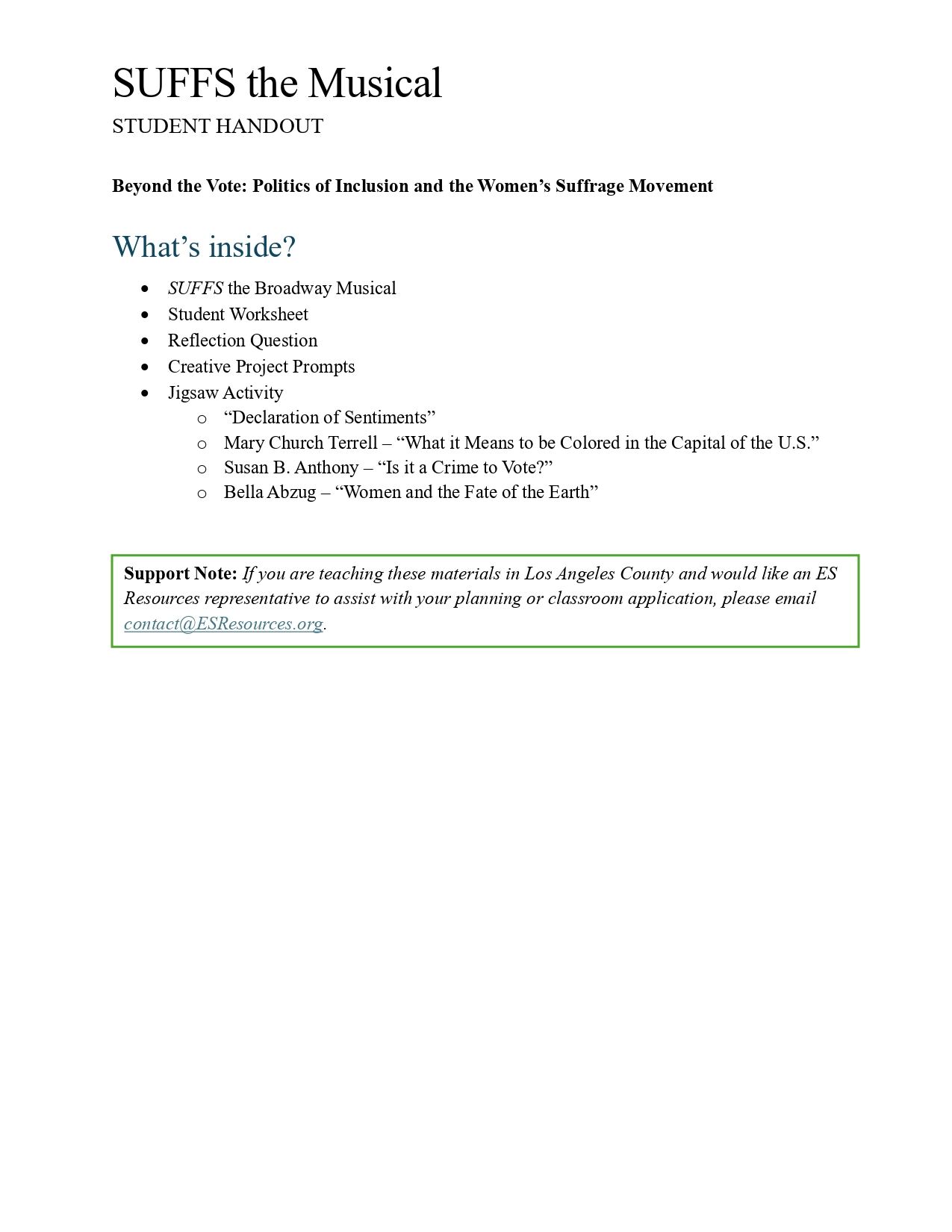
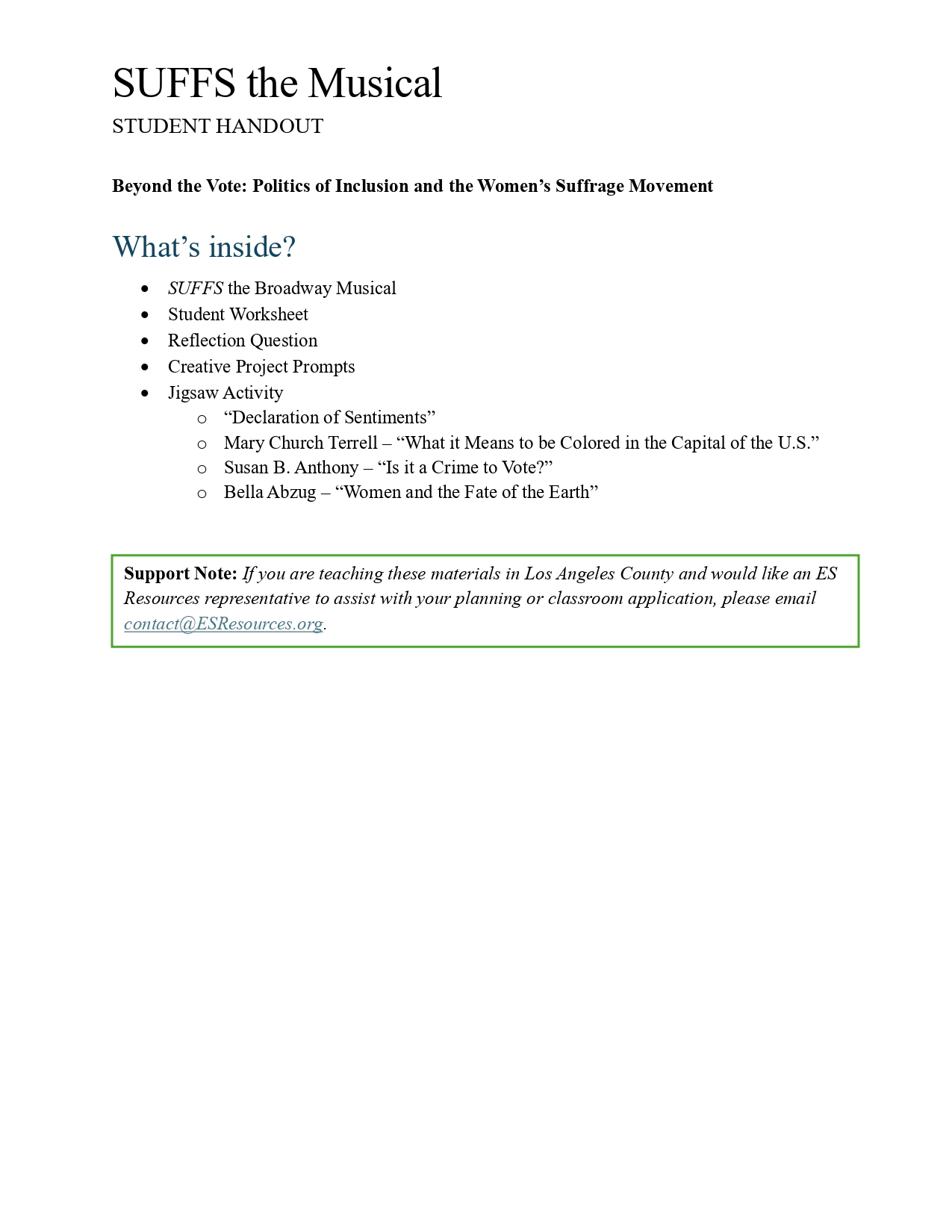
Women’s Suffrage: Politics of Inclusion & SUFFS the Musical
-
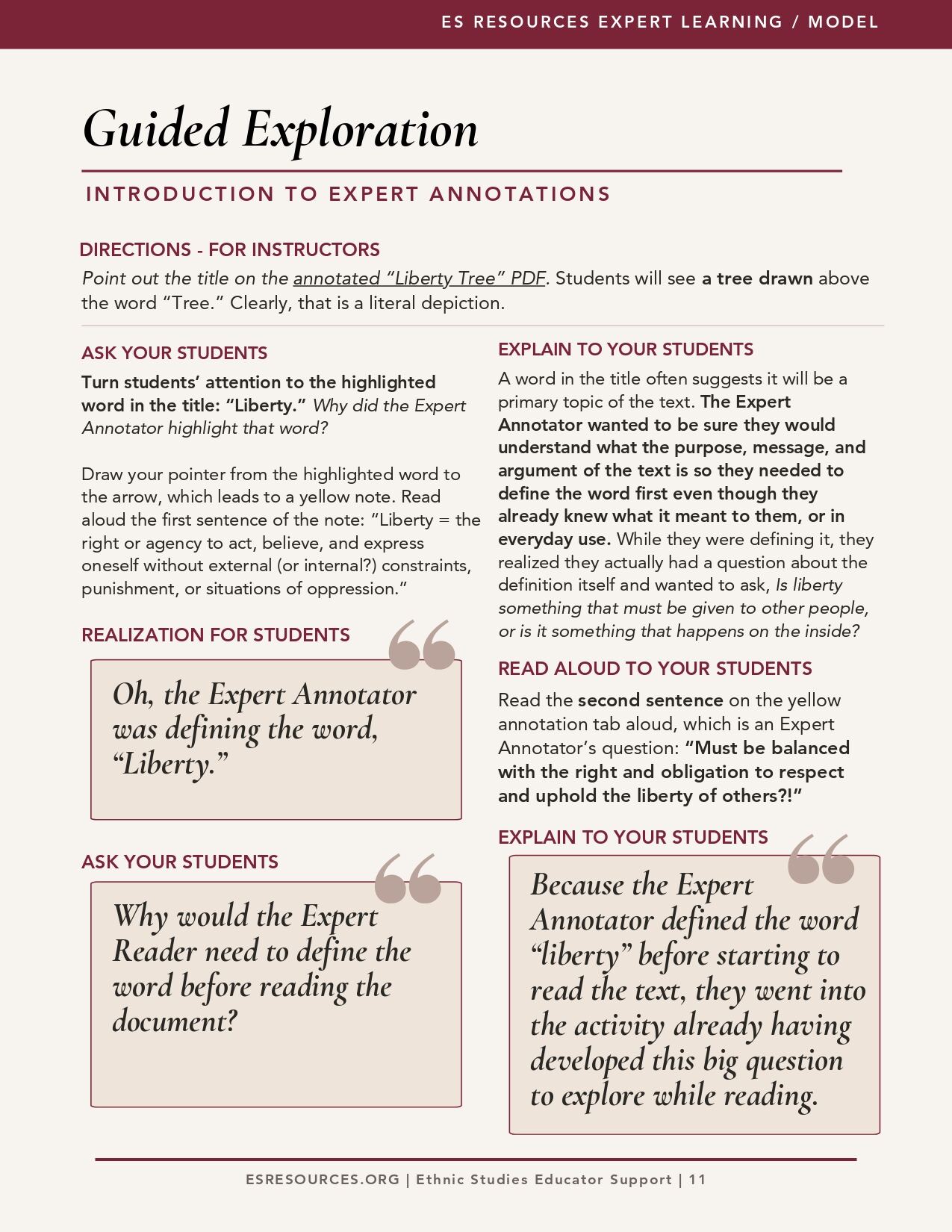
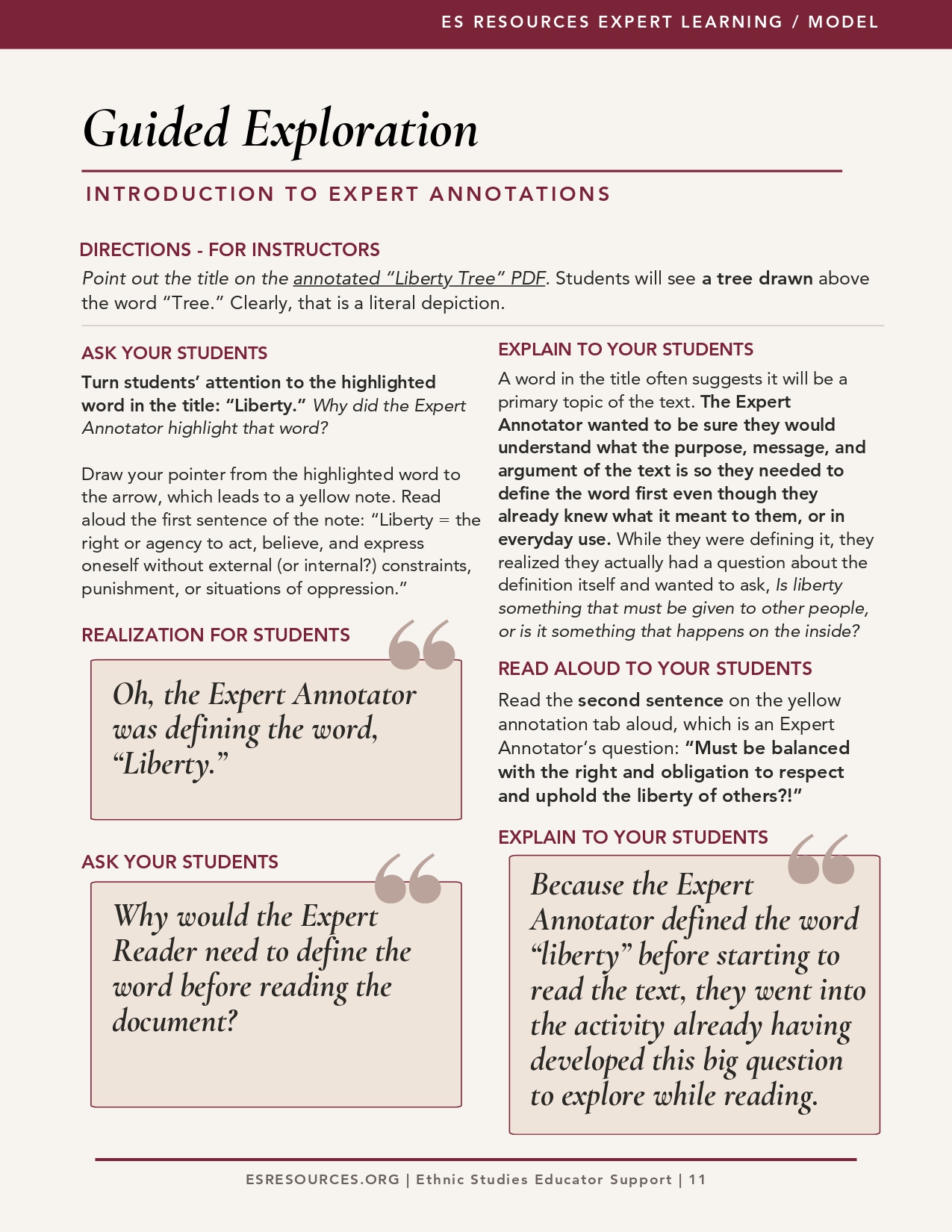
Annotate Primary Sources Like an Expert
-
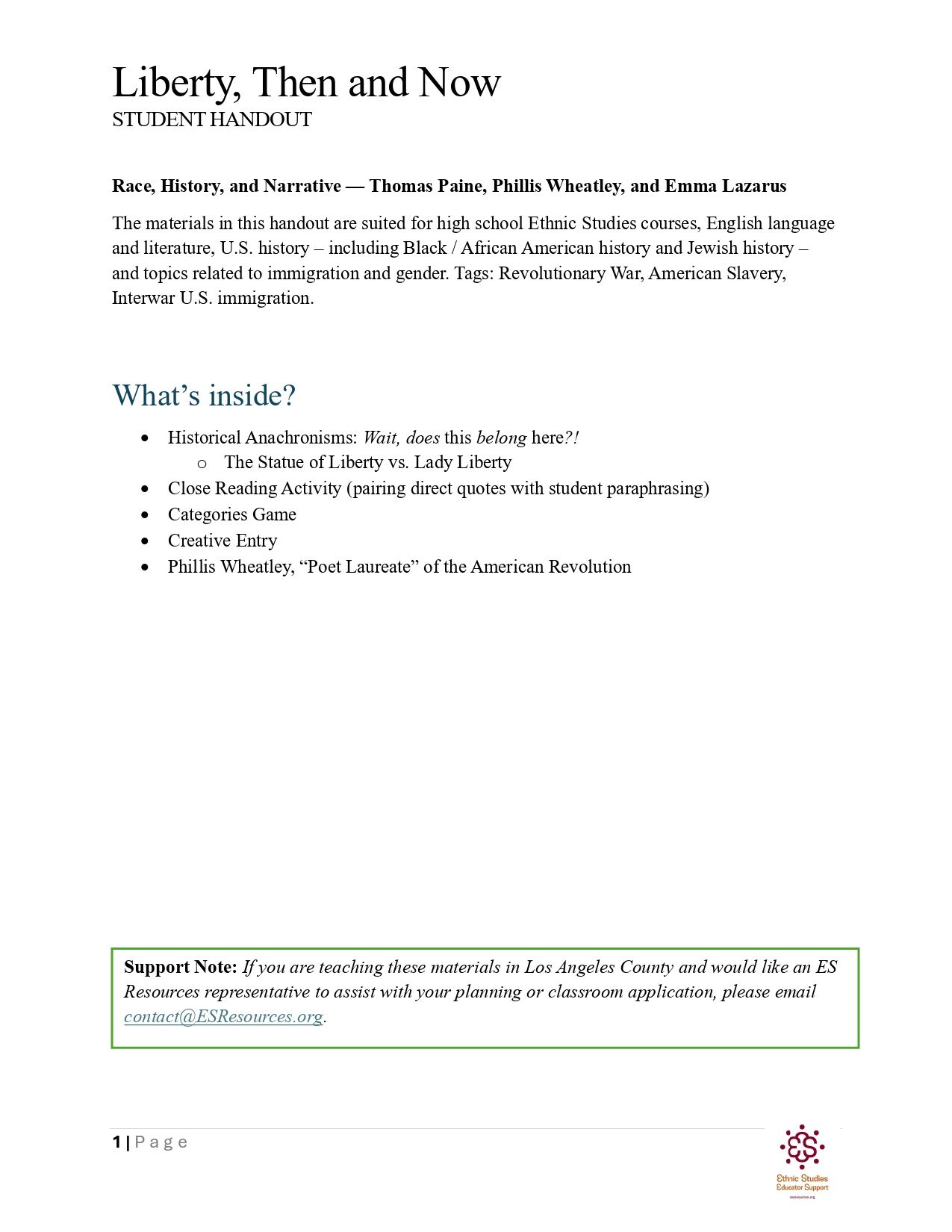
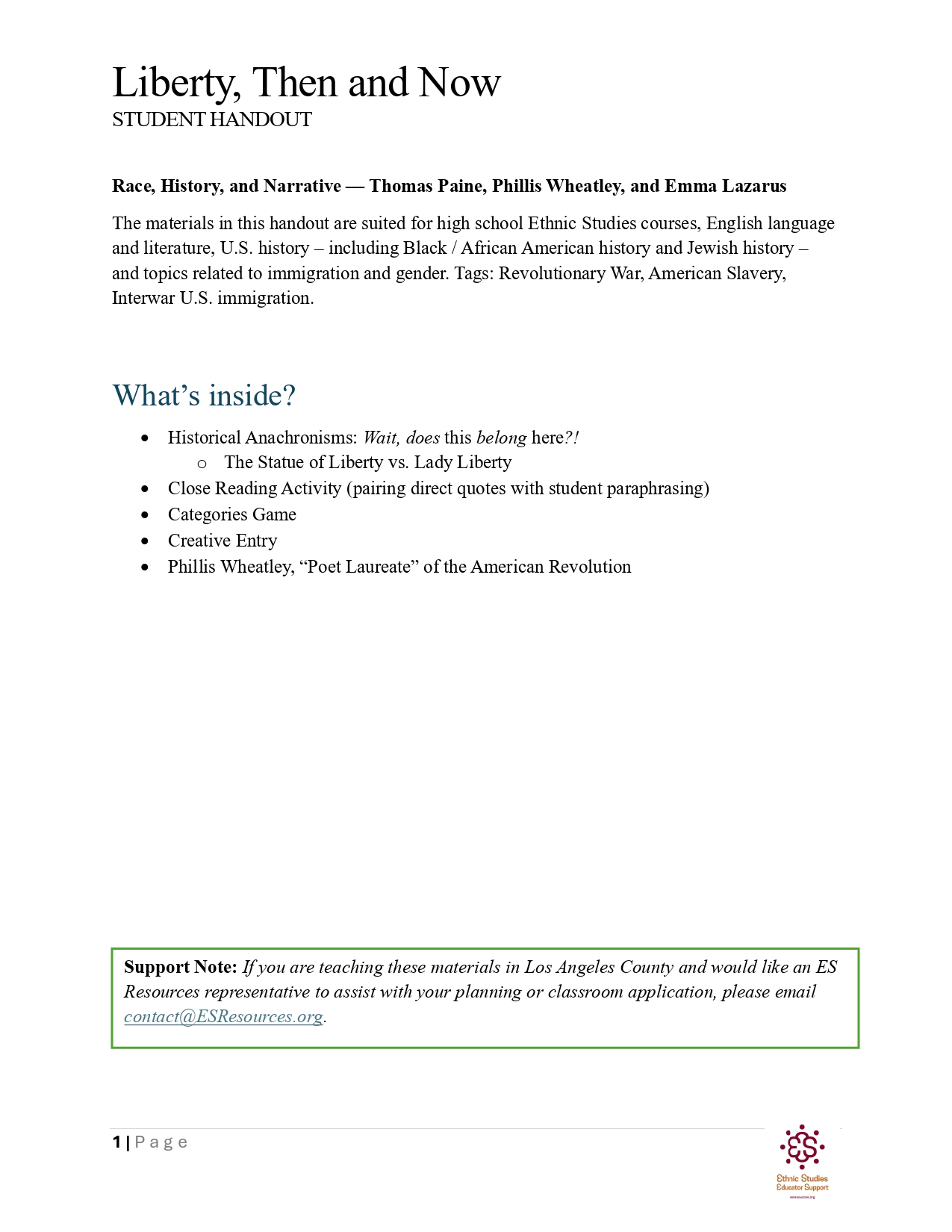
Liberty and Narrative, Then and Now
-
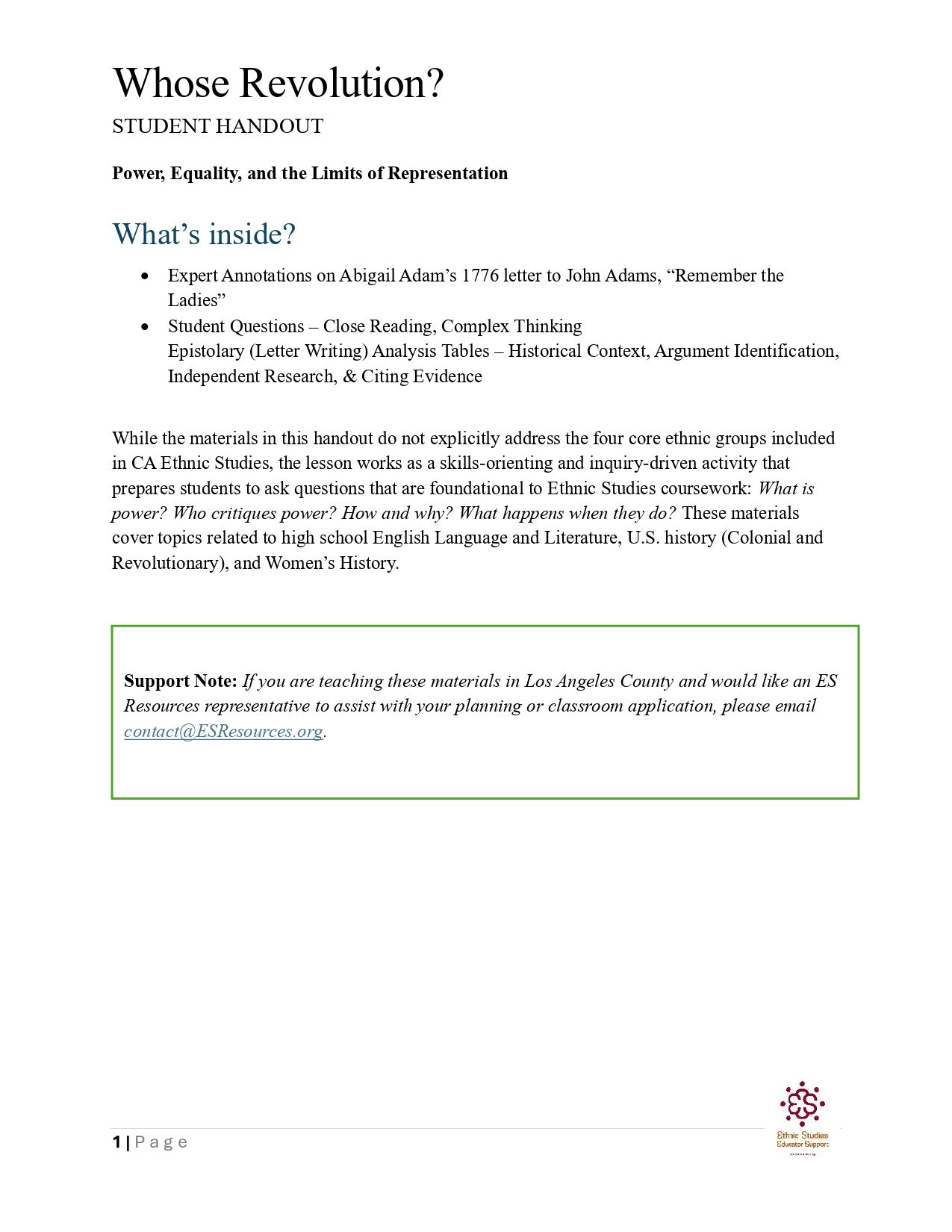
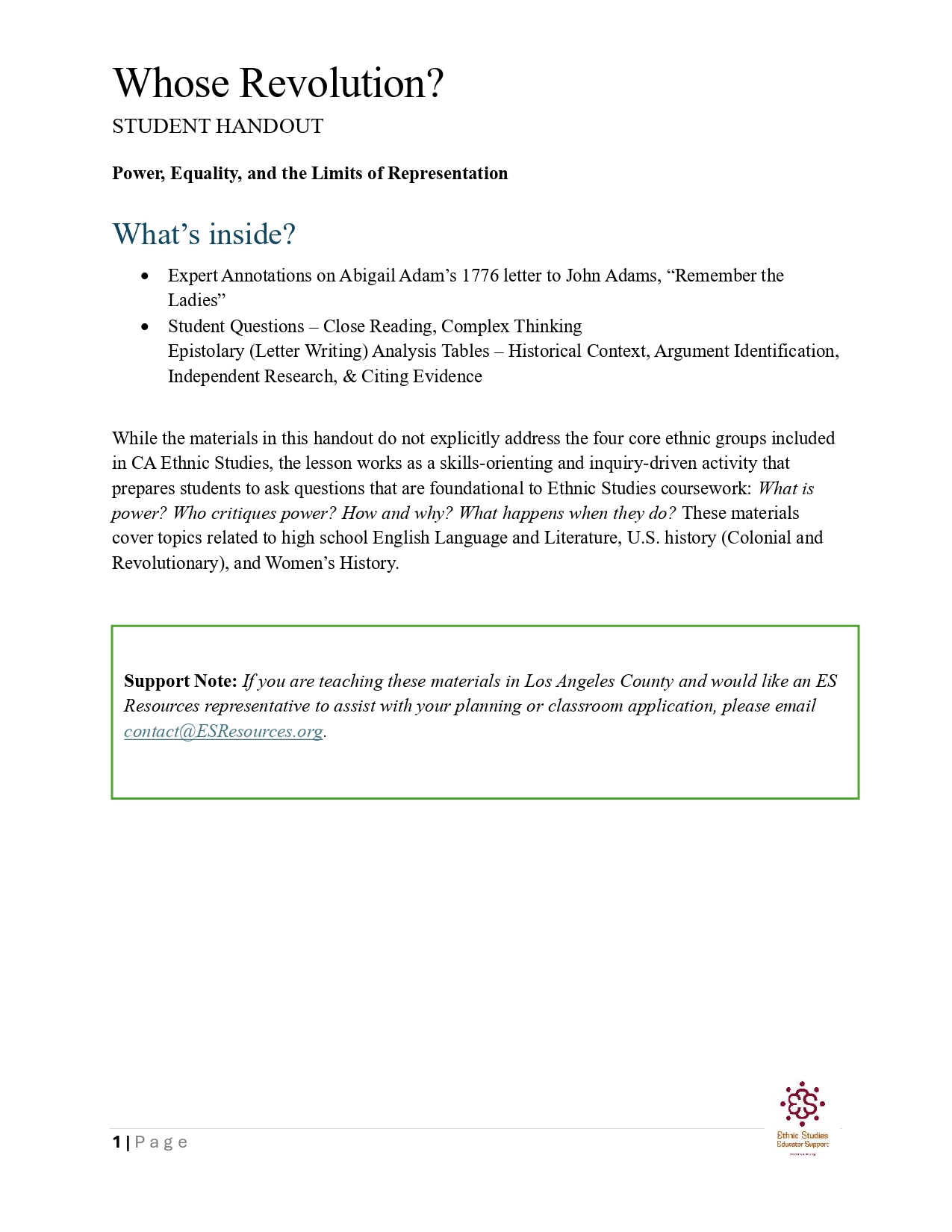
Whose Revolution? Abigail Adams’ “Remember the Ladies”
-
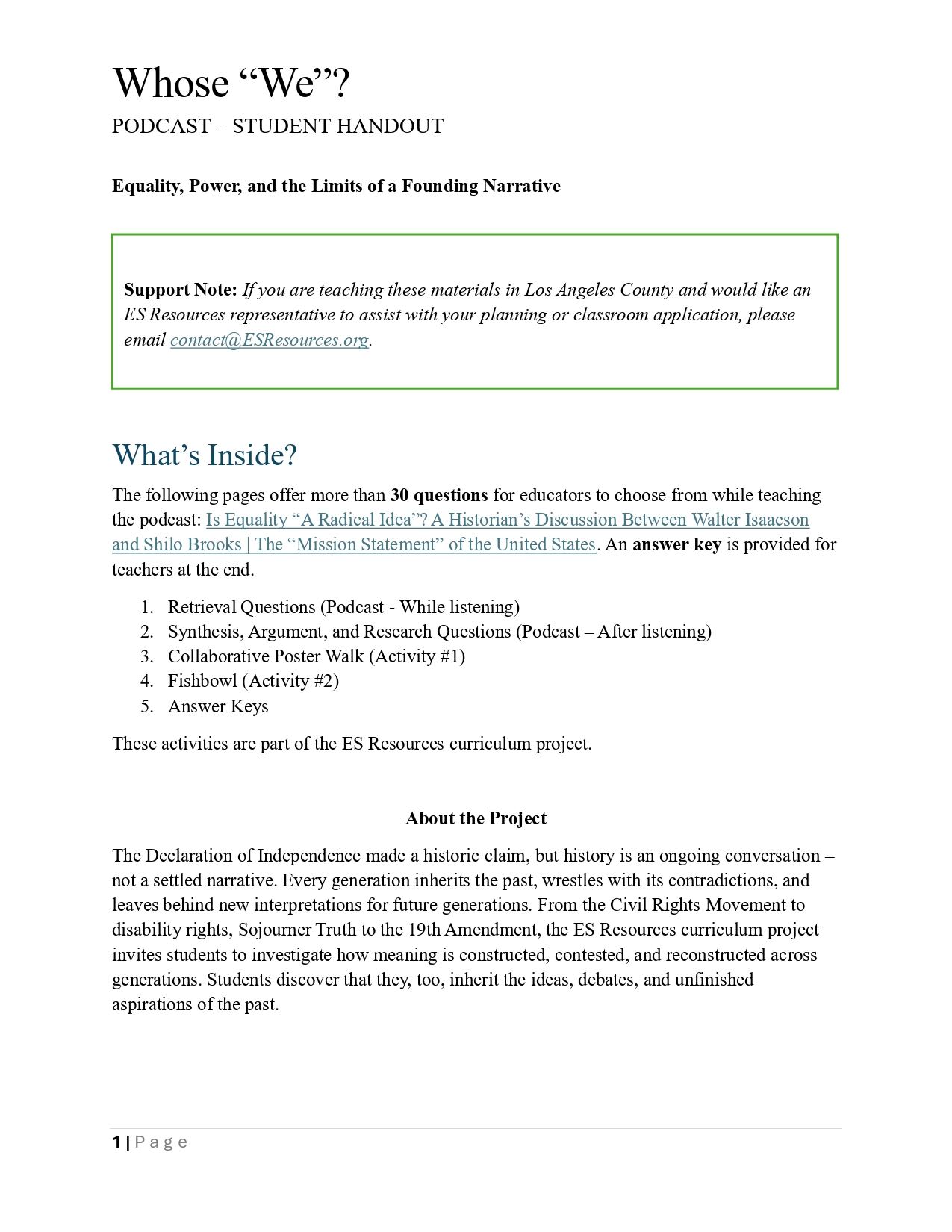
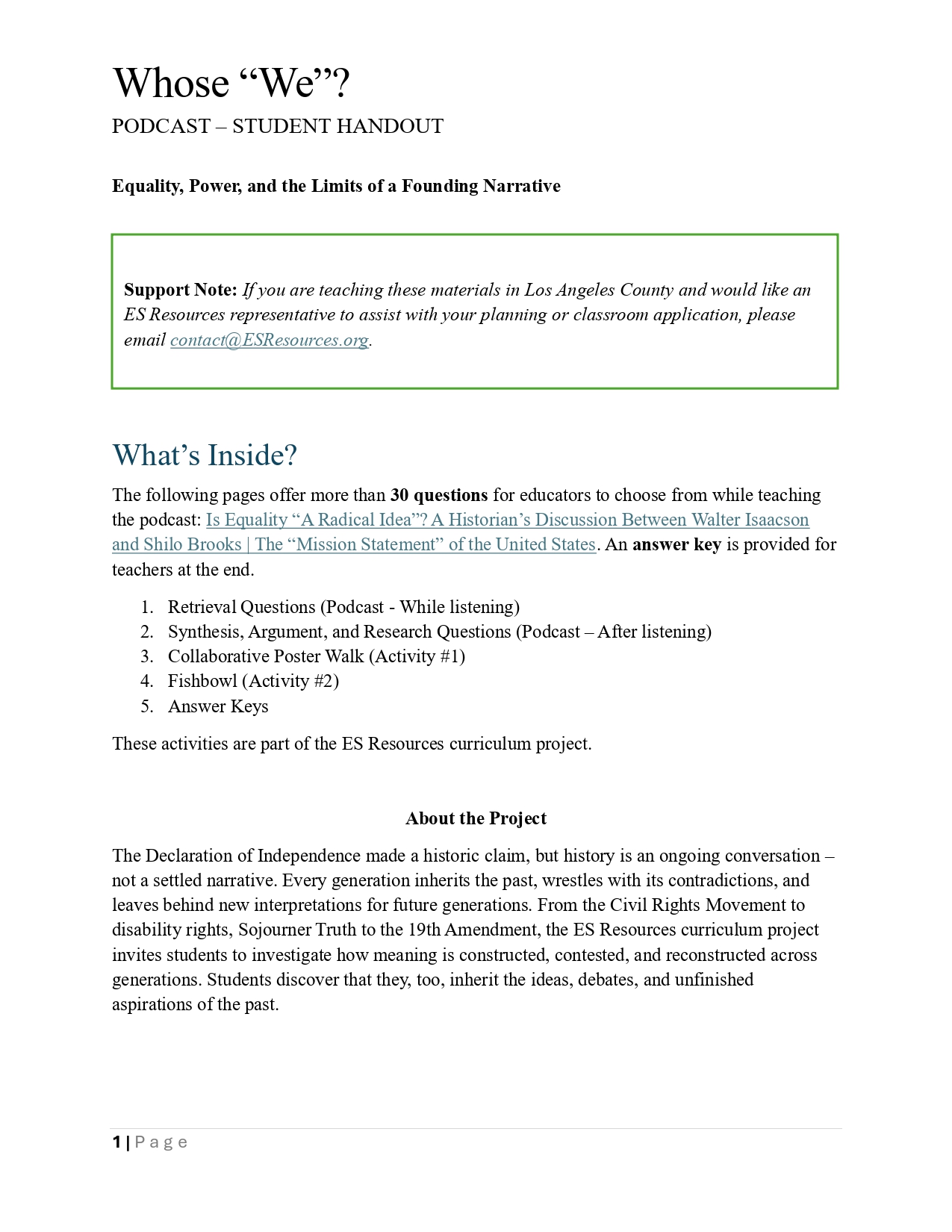
Whose “We”? The Limits of a Founding Narrative
-
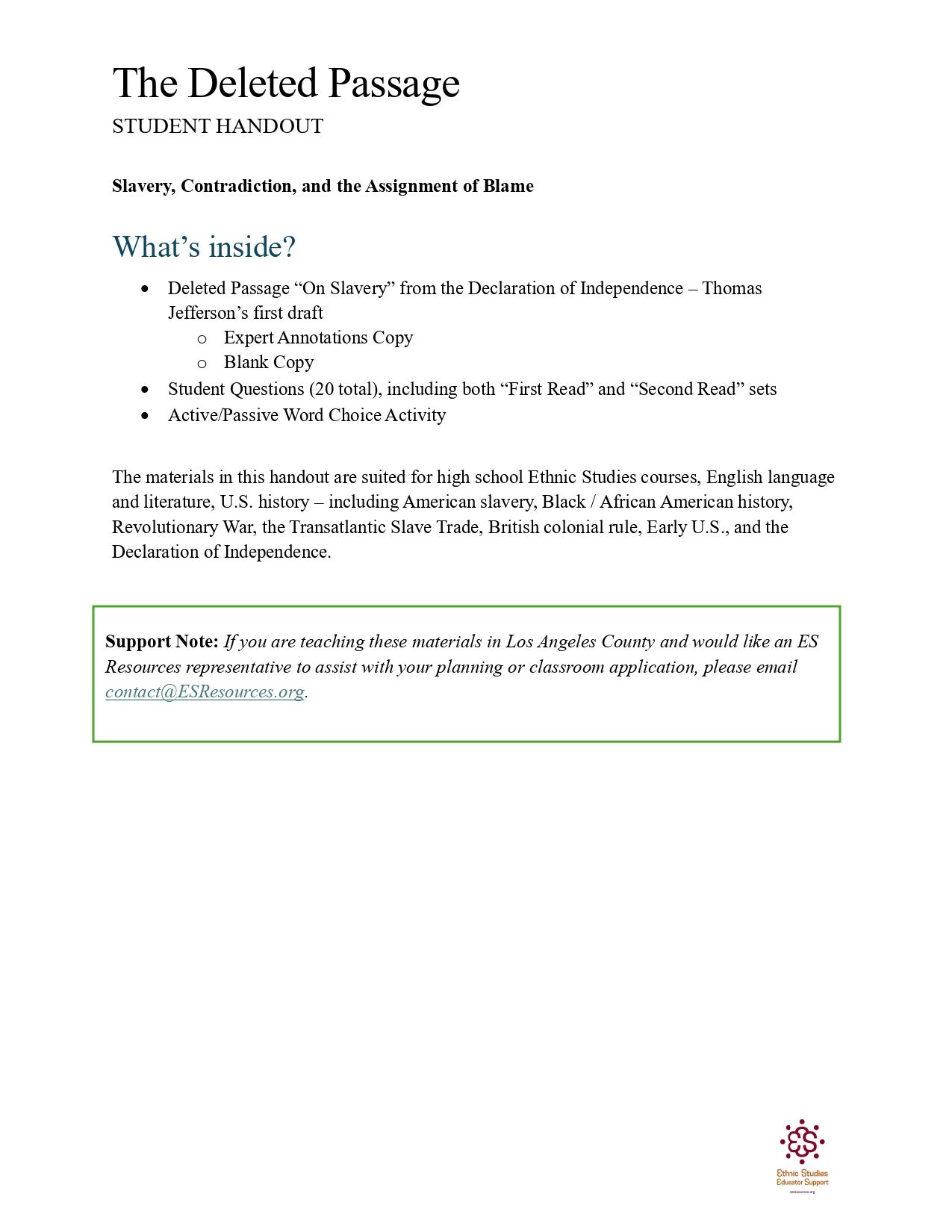
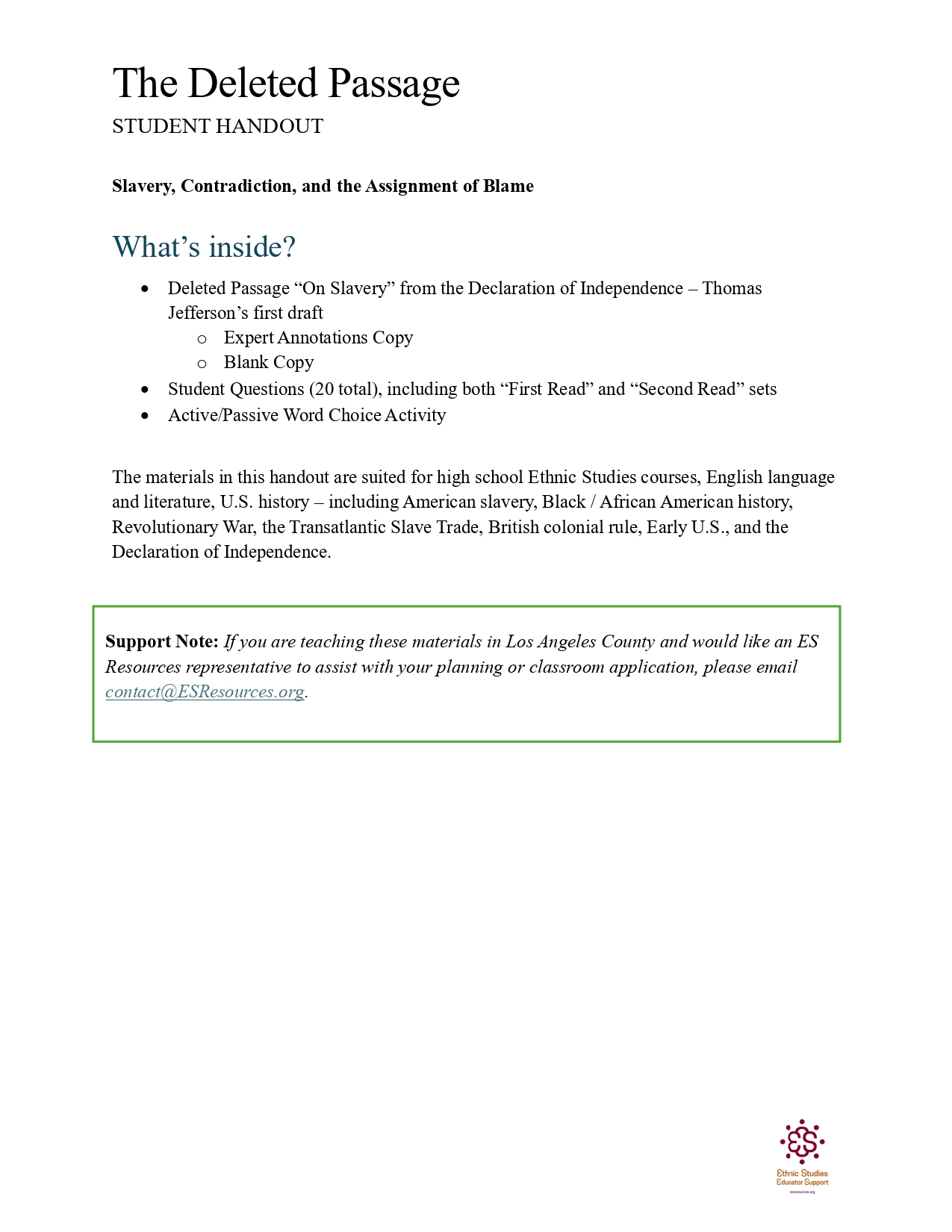
The “Deleted Passage” on Slavery
Members
Sign in to continue
Sign in to download this file. It's free to register, and we will bring you straight back to this page.
Or continue with email
No account? Register